


When One Child Is Unwell, the Whole Family Feels It
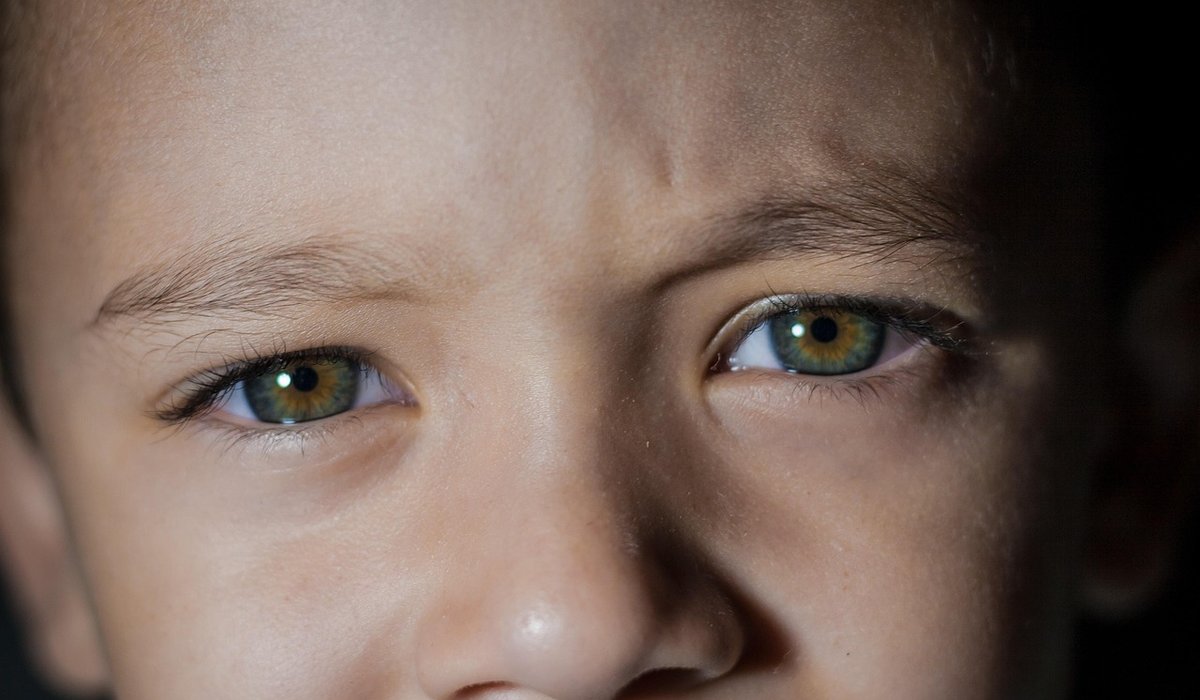
When a child is admitted to hospital, the focus naturally shifts to their care. Appointments, observations, procedures and recovery all demand attention, and parents understandably pour their energy into the patient. Yet sitting quietly in the corner, or being passed between grandparents and neighbours, is another child whose world has also been turned upside down. Siblings of hospitalised children often experience a tangle of worry, jealousy, boredom and guilt — sometimes all in the same afternoon. They may feel invisible just when they need reassurance most.
Play is one of the most powerful tools we have for reaching these children. It does not require explanations they may not understand, and it does not ask them to be brave or quiet. It simply invites them in. This is where therapeutic clowning and children's party entertainment skills overlap in a genuinely useful way: a trained clown doctor can turn a hospital bay into a place where a sibling is not an extra, but a valued participant.
Why Siblings Need Specific Attention
Siblings of a hospitalised child are at risk of what psychologists sometimes call "secondary adjustment difficulties". They may act out at school, regress to younger behaviour, become unusually quiet, or develop aches and pains with no medical cause. None of this means they are being difficult. It usually means they are frightened and unsure of their place in the family's new routine.
Hospital environments can make this worse. Wards are full of strange sounds, restricted areas and adult conversations. A sibling who visits may be told repeatedly not to touch things, not to run, not to make noise. They are physically present but emotionally overlooked. Recognising this is the first step. Once you see the sibling as a person with their own needs, you can start to meet those needs — and playful entertainment is one of the simplest, most effective ways to do it.
- They may worry that their brother or sister might die, even if nobody has said so.
- They may feel guilty about being healthy, or about resenting the attention the patient receives.
- They may be anxious about being separated from parents during visiting hours or overnight.
- They may struggle with disrupted routines, missed clubs and fewer chances to simply be a child.
What a Clown Doctor Actually Does
A clown doctor is not simply a children's entertainer in a hospital corridor. The role is a therapeutic one, grounded in listening, reading the room and responding to the emotional temperature of each person present. A skilled clown doctor notices who is being left out. They will spot the sibling hovering by the door and, rather than sweeping past to reach the patient, will pause and offer them a small, silly moment of connection — a shared glance, a ridiculous hat, a whispered joke.
This matters because it says, without words: you belong here too. The clown doctor is not competing with medical staff or parents for authority. They are adding a layer of play that allows everyone in the room to breathe. The techniques come from improvisation, mime, music, puppetry and gentle comedy, and they are adapted in the moment. A sibling who is angry can be invited to help "fix" a broken puppet. A sibling who is shy can be given a tiny, important job, such as holding a magical prop or choosing which song comes next.
Practical Ways to Include Brothers and Sisters
Whether you are a parent, a play specialist, a nurse or an entertainer working in a hospital setting, there are concrete things you can do to bring siblings into the playful space rather than leaving them on the sidelines.
- Give them a role. "Official assistant", "prop manager" or "joke tester" all work well. A title gives a child status and purpose.
- Ask their opinion. Which trick should we do next? Which colour balloon? Small choices restore a sense of control.
- Use their name. Hearing their own name spoken warmly in a room focused on someone else is quietly powerful.
- Offer parallel play. If the patient is too unwell to join in, the sibling can still enjoy a quieter game nearby without feeling they are taking attention away.
- Acknowledge the hard bits gently. A clown might say, "It's a bit rubbish sometimes, isn't it?" and then move on to something funny. Honesty without dwelling.
- Include parents too. A shared laugh between parent and sibling can reset a tense hour.
Timing is everything. A sibling arriving after school, tired and hungry, may need a low-key welcome rather than a loud performance. A sibling who has been waiting for hours may welcome something more energetic. Reading the room is the professional skill that separates a good clown doctor from a generic party entertainer.
Working Alongside Parents and Staff
Clown doctors do not work in isolation. Before entering a bay, they will often check with nursing staff and parents about what is appropriate. A parent might mention that the sibling is feeling left out, or that it is the sibling's birthday next week. That is gold dust. It allows the clown to weave a small moment of recognition into the visit.
Parents can help by naming their other children when they introduce the family. "This is Amara, she's been brilliant at home" takes two seconds and changes how the sibling is seen by everyone in the room. Staff can help by ensuring siblings are not treated as obstacles in a corridor but as part of the family unit requiring care. Hospitals that value play often find siblings settle better, visit more willingly and cope more resiliently with the whole experience.
Small Moments, Lasting Effects
The goal is not to make a hospital stay fun. Nobody pretends that is possible. The goal is to make sure no child in that family disappears from view. A sibling who has been given a silly hat to wear, asked to judge a competition, or simply greeted by name by a friendly clown will carry that feeling home. They will remember that, even when everything was upside down, someone noticed them.
Children's party entertainment is designed to create joy in a crowd. Therapeutic clowning applies those same skills with more care, more listening and more heart. When the two meet in a hospital bay, brothers and sisters get something priceless: a reminder that they matter too.


Leave a reply